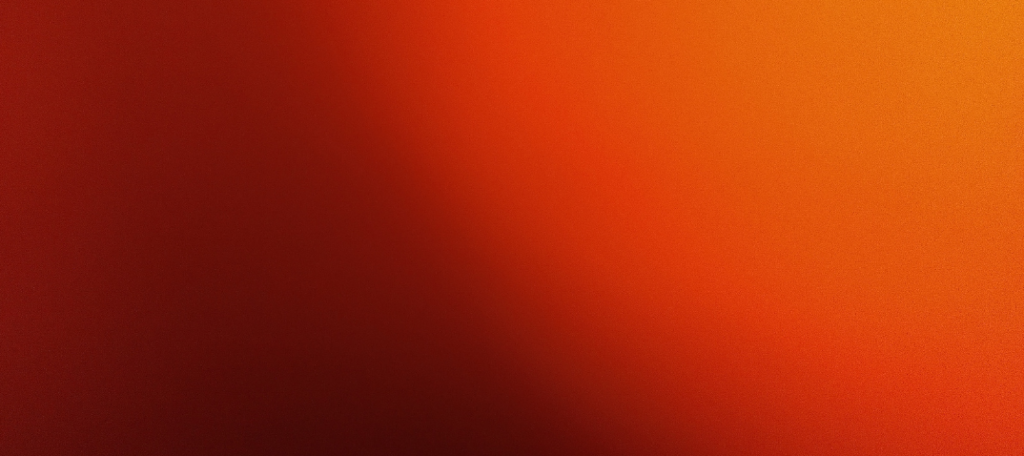
Create Stunning Gradients and Advanced Colour blending with Ease
Creating seamless gradients and blending colours are crucial skills for any mural artist but today, we’ll focus on advanced colour blending techniques using water-based acrylic PVA paints and roller brushes. This method is ideal for backgrounds and large surfaces.
What is Colour Blending?
Colour blending involves merging two colours smoothly to create a gradient effect and it can be done using various tools, such as airbrush, spray cans or spray guns connected to an air compressor. However, for this lesson, we’ll focus on blending with roller brushes, a technique that gives you precise control and smooth transitions.
Preparing for Blending
For this tutorial, we’ll blend red and yellow, creating an orange gradient where they meet. You’ll need:
- Two roller brushes (one for each colour)
- A bucket of yellow paint
- A bucket of red paint
Step-by-Step Blending Process
- Applying the Base Colours:
- Dip one roller brush into the red paint and apply it to the right side of the wall so that we can start the blending process.
- Dip the second roller brush into the yellow paint and apply it to the left side of the wall.
- Spread both colours until they almost meet in the middle. Apply a generous amount of paint to ensure wetness for seamless blending.
- Overlapping Colours:
- Start overlapping the red onto the yellow using the red roller. Roll halfway over the yellow area.
- Repeat the process with the yellow roller, gradually working it towards the red. Roll halfway over the red area.
- Repeat this process one more time for each side to ensure a well-blended transition in the middle.
- Creating a Seamless Transition:
- Begin rolling from the center outwards, reducing pressure on your roller brush as you move away from the center. This reduced pressure ensures a smooth and gradual transition from the mixed middle to the outer edges.
How to Tell If You’re Doing It Right
- Paint Splatter:
- The rollers will be so wet that they will spatter small particles of paint as you roll back and forth.
- Wetness Texture:
- The surface will have a fine wet texture immediately after you roll over a spot, but this texture will gradually vanish within a few minutes.
Tips for Effective Blending
- Directional Movement:
- Move your roller brush up and down in a vertical direction while also moving sideways. Avoid random movements, as consistent vertical strokes help achieve a smoother blend.
- Keep It Wet:
- Work quickly to keep the paint wet. Wet paint blends more smoothly, so speed is essential.
- Even Pressure:
- Apply even pressure on the roller brush. Uneven pressure can create streaks and uneven blends.
Practical Tips and Tricks
Unknown Industry Secrets:
- Use Quality Paint:
- High-quality PVA paint has better pigments and consistency, making blending easier and more effective.
- Pre-Mix Colors:
- Before starting, pre-mix a small amount of red and yellow to create a base orange. This can help guide your blending process and ensure a more even gradient.
- Lighting Matters:
- Work in well-lit conditions. Good lighting helps you see the subtle transitions and ensure a smooth blend.
Conclusion
Mastering colour blending and creating gradients with water-based PVA paints can significantly enhance your mural work which means by following these steps and tips, you can achieve stunning, seamless colour transitions that add depth and dimension to your art. Practice these techniques regularly, and soon you’ll be blending colours like a pro.
Remember, blending is an art in itself. The more you practice, the better you’ll get. Now, grab your roller brushes and start creating beautiful gradients in your murals!
Visit Colour My Brand to see this technique at work.